As the year draws to a close, Close Brothers Motor Finance looks back on the most popular cars to finance in 2025.
Zero Emission Vehicle (ZEV) mandate targets, fluctuating demand and changing consumer trends surrounding electric vehicles (EVs) created a tricky landscape for manufacturers and dealers to contend with over the past 12 months.
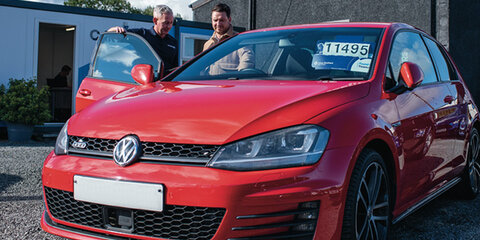
Ongoing economic uncertainty and concerns around factors such as insurance premiums, fuel prices and high energy bills have also presented multiple challenges for consumers, driving many to the secondhand market. As a result, affordable, practical and economical cars remain the most popular options, as reflected in Close Brothers Motor Finance’s most financed cars of the year - with the Volkswagen Golf retaining top spot for the second year in a row.
The list shows motorists are continuing to prioritise more practical and budget-friendly options over newer, bigger models to ensure they can afford long term car expenses and running costs, highlighting that affordability is the priority for the majority of drivers. This has been key to informing forecourt stock decisions for dealers.
Close Brothers Motor Finance’s most financed cars of 2025:
- Volkswagen Golf
- Ford Focus
- Ford Fiesta
- Mercedes-Benz A Class
- BMW 3 Series
- Nissan Qashqai
- BMW 1 Series
- Land Rover Range Rover Evoque
- Mercedes-Benz C Class
- Audi A3
- Vauxhall Corsa
- Volkswagen Polo
John Cassidy, Managing Director of Sales at Close Brothers Motor Finance, added: “Motorists have faced another tough year which is reflected in the selection of petrol and diesel vehicles on this list.
“As the cost of motoring continues to rise - and even becomes completely unaffordable to some - it’s little surprise to see economical, practical and smaller cars make up the bulk of the top 10. This will pose further challenges for manufacturers who are having to produce electric vehicles in line with the ZEV mandate. However demand is beginning to rise, which should provide a glimmer of hope for the year ahead.
“However, Government support will be vital. Though an EV grant was reintroduced, the options are limited, and the decision to apply a pay-per-mile tax to EVs could put potential buyers off. Incentives will play a crucial role in meeting targets, and this will need to be a focus point for the Government in 2026. Electric vehicle infrastructure remains inadequate for widespread adoption, and the lack of incentives could further stall the transition away from traditional petrol and diesel vehicles. As news comes of the EU potentially watering down its plans to ban new petrol and diesel vehicles, all eyes will be on the Government to take action if the UK’s targets are to be realistic.”